The Thrill of Chance
The allure of casino games is deeply rooted in the thrill of chance. Humans have an inherent attraction to risk and uncertainty, which creates an adrenaline rush when they engage in games of fortune. This psychological phenomenon, known as “gambling excitement,” fosters a sense of anticipation that can be addictive. Players often find themselves captivated by the idea of hitting a jackpot, leading them to take risks they might avoid in other contexts, especially when they explore options like online pokies real money that offer exciting possibilities. The element of unpredictability not only makes the experience exhilarating but also encourages players to return for repeated play. The excitement of the unknown can be incredibly compelling, drawing individuals in with the promise of potential rewards.
This excitement stems from a combination of dopamine release in the brain and the unpredictability of outcomes. When players engage in risky behaviors, the brain releases dopamine, a neurotransmitter associated with pleasure and reward. As players spin a slot machine or place bets at a table, the anticipation of winning triggers this chemical response, reinforcing the cycle of involvement. This release reinforces the notion that risk-taking can lead to pleasurable outcomes, which can lead to a habitual pattern of behavior where individuals continuously seek that high, often ignoring the potential consequences of their actions. The thrill, therefore, becomes a compelling motivator for many.
Moreover, the design of casino games plays a crucial role in amplifying this psychological thrill. Game creators strategically use vibrant colors, dynamic sounds, and celebratory graphics to enhance the player’s experience. These sensory elements are not merely for entertainment; they are crafted to create an immersive environment that keeps players engaged for extended periods. The visual and auditory stimuli work together to evoke emotions that heighten the thrill of chance, making the experience more intense and memorable. In this way, the thrill of chance becomes a powerful driving force behind the popularity of casino games and the gaming industry as a whole.
The Role of Social Influences
Social interaction is another significant factor influencing the psychology of casino gaming. Many players are drawn to casinos not only for the games but also for the communal atmosphere. The social aspect of gaming can heighten the excitement, as players often cheer for one another or engage in friendly competition. This sense of community fosters a shared experience, making the thrill of winning or losing feel more profound. As players interact with friends and strangers alike, they create bonds that enhance their gaming experience, leading to a stronger desire to participate in gaming activities and return to the casino environment.
Moreover, peer pressure can play a pivotal role in influencing individual gambling behavior. For instance, when individuals observe friends or family winning at games, they might feel compelled to join in, driven by the desire to replicate that success. This can often lead to an increase in participation, even when the person may not have initially intended to gamble. The excitement that comes from a social win can be contagious, prompting others to engage in similar behavior. Therefore, the social environment of a casino can serve as a catalyst for decision-making, affecting how individuals perceive risks and rewards.

Additionally, casinos often create inviting social spaces, making them popular destinations for outings. From lavish dining options to entertainment shows, the environment is designed to keep players engaged and socializing, thus encouraging them to spend more time and money. The combination of gaming and social experiences helps maintain player interest, reinforcing the connection between people and the allure of casino games. This social dynamic not only enhances the entertainment value but also contributes to the overall atmosphere of excitement that casinos aim to cultivate.
The Illusion of Control
Many players grapple with the illusion of control, a psychological phenomenon where individuals believe they can influence random outcomes. This belief often leads players to develop superstitions or rituals before making a move in a game, thinking that these actions might improve their chances of winning. For instance, a player may throw dice in a specific way or wear a lucky charm, convinced that these actions can sway fortune in their favor. This mindset can significantly impact betting strategies and decision-making processes, leading individuals to engage in behaviors that they believe enhance their luck.
The concept of skill versus luck also plays into this illusion of control. In some games, such as poker, players may feel that their decisions and strategies can lead to victories. In contrast, games that rely solely on chance, such as slots, often foster the belief that one’s actions can alter outcomes. This dichotomy creates an interesting psychological dynamic where players may overestimate their influence in purely random situations, often leading to repeated play even in the face of losses. The belief that skill can tip the scales in their favor can encourage players to invest more time and money into their gaming pursuits.
Furthermore, casinos are aware of this psychological aspect and often capitalize on it by presenting games that appear to have an element of skill. This can further perpetuate the illusion of control, keeping players engaged and betting longer. The combination of a perceived ability to impact the game and the inherent risk of chance underscores the complexities of player psychology within casino environments. By fostering this belief, casinos can maintain player interest, making the experience more appealing and encouraging continued participation.
The Impact of Design and Environment
The physical design and environment of a casino are meticulously curated to enhance the gaming experience. Casinos often employ elements such as dim lighting, vibrant colors, and elaborate themes to create an inviting atmosphere that draws players in. The layout encourages exploration, leading individuals to discover various games and experiences easily. This strategic environment fosters prolonged engagement, as players are naturally inclined to linger and participate in multiple games, often losing track of time while they immerse themselves in the gaming experience.
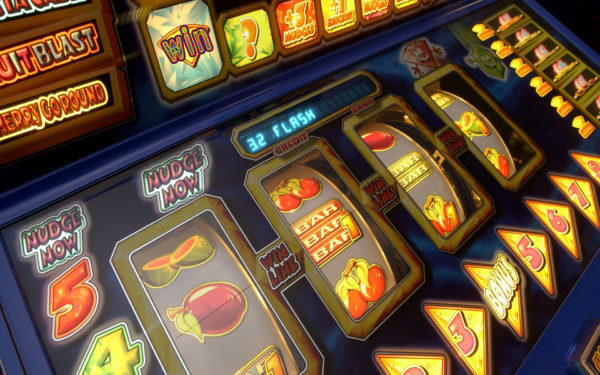
Sound plays a vital role in reinforcing the gaming experience as well. The sounds of spinning wheels, ringing coins, and celebratory music create an auditory landscape that heightens excitement. This is particularly evident in slot machines, where players are rewarded with auditory feedback for wins, reinforcing the enjoyable experience of playing. These carefully constructed elements contribute to a sensory overload that can be very appealing and make the gaming process more immersive. The combination of visual and auditory stimulation creates an environment that enhances the thrill of gaming.
Moreover, the lack of windows and clocks in many casinos helps create a sense of timelessness, making it easier for players to lose track of time while engaged in gaming activities. This can lead to longer play sessions and increased spending, as players become absorbed in the excitement of the moment. The overall design, combining visual and auditory stimuli, influences players’ perceptions, making it easier to forget about the outside world and focus solely on the games. Consequently, the design elements of a casino are crucial in shaping player behavior and enhancing their overall experience.
Exploring Responsible Gaming
Understanding the psychological factors at play in casino games is essential for promoting responsible gaming practices. Casinos and gaming organizations are increasingly aware of their role in ensuring that players enjoy their experiences safely. Many now implement tools to assist players in setting limits on their spending and playtime. These tools can include self-exclusion programs and setting personal limits that help players maintain control over their gambling habits. By providing such resources, the industry acknowledges the importance of balanced engagement in gaming activities.
Encouraging responsible gaming involves fostering an environment where players can engage without falling prey to addiction or harmful behaviors. This includes recognizing signs of problematic gambling and providing support systems to help individuals who may be struggling. Awareness campaigns and educational resources can empower players to make informed decisions about their gaming habits. By prioritizing responsible practices, casinos can create a healthier gaming atmosphere while maintaining the excitement that draws players in.
Ultimately, understanding the psychology behind casino games can empower players to make informed decisions. By recognizing the influences of chance, social interaction, and environmental design, individuals can engage in gaming as a form of entertainment rather than a source of stress or anxiety. Responsible practices not only enhance individual experiences but also contribute to a sustainable gaming industry overall. As the industry evolves, a focus on player well-being will be essential in maintaining the integrity and enjoyment of gaming experiences.