Understanding the psychological triggers that drive gambling behavior
The Allure of Risk and Reward
The thrill of gambling often stems from the inherent risk and the tantalizing possibility of reward. This interplay creates a potent psychological cocktail that captivates individuals. The excitement of betting, coupled with the chance to win substantial sums, can lead to a rush of adrenaline that many find addictive. For an enjoyable experience, consider a non gamstop casino that caters to your preferences. Understanding this allure is crucial, as it reveals how our brains are wired to seek out excitement and pleasure.
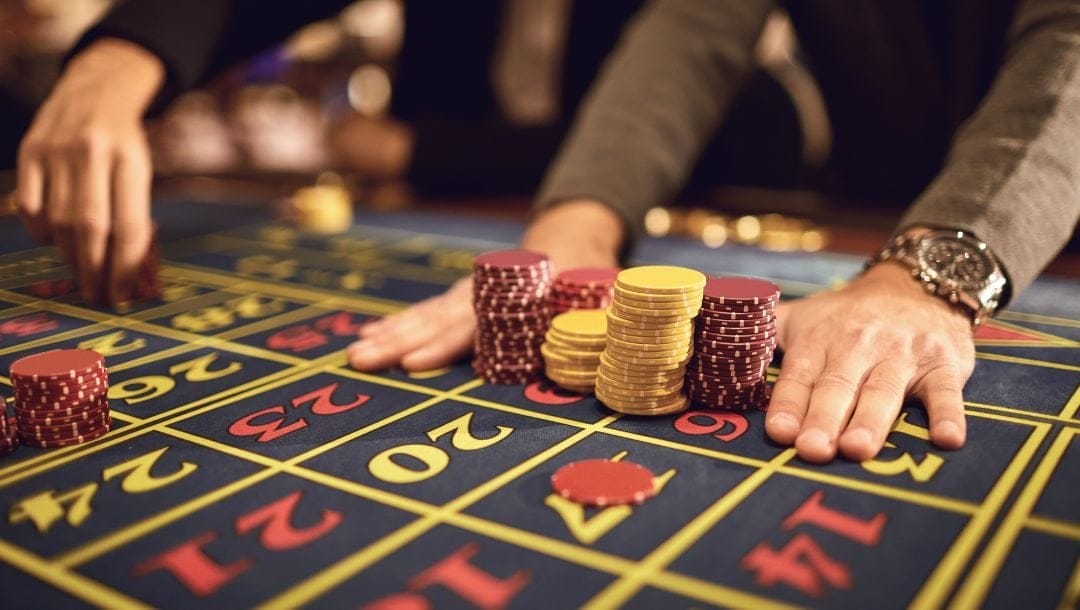
As gamblers engage in games of chance, their brains release dopamine, a neurotransmitter associated with pleasure and reward. This release reinforces the behavior, making the individual more likely to gamble again in hopes of recapturing that euphoric feeling. The unpredictability of winning or losing further heightens this emotional rollercoaster, creating a cycle that is difficult to break.
Social Influence and Peer Pressure
Another significant factor influencing gambling behavior is social dynamics. Many individuals are drawn to casinos and online gambling platforms due to social interactions. Whether it’s friends encouraging each other to try their luck or online communities sharing strategies and wins, the social aspect can amplify the desire to gamble. This phenomenon highlights how peer influence can shape individual choices, often leading to increased gambling activity.
Moreover, social media and advertising play pivotal roles in normalizing gambling behaviors. With targeted ads and influencers promoting gaming experiences, potential gamblers are often swayed by the perceived excitement and camaraderie associated with gambling. Understanding these social triggers can help individuals become more aware of their gambling motivations and the external pressures they may encounter.
The Role of Cognitive Biases
Cognitive biases significantly impact gambling behavior, influencing how individuals perceive chances of winning. Gamblers often fall victim to the illusion of control, believing they can influence outcomes through skill or strategy, even in purely chance-based games. This misconception can lead to increased gambling, as individuals continue to engage in behaviors they mistakenly believe will enhance their odds.
Additionally, the gambler’s fallacy—the belief that past events affect future outcomes—can perpetuate gambling habits. For instance, if someone has experienced a series of losses, they may think they are “due” for a win, leading them to gamble more. Recognizing these cognitive biases can help individuals approach gambling with a more analytical mindset, reducing impulsive behaviors driven by flawed reasoning.
Emotional Triggers and Coping Mechanisms
Emotions play a crucial role in gambling behavior, often serving as both triggers and coping mechanisms. Many individuals turn to gambling as a way to escape negative emotions such as stress, anxiety, or depression. The temporary thrill of gambling can provide a distraction from life’s challenges, reinforcing the behavior in a cycle of emotional reliance.
This reliance on gambling as an emotional crutch can lead to problematic behavior, where individuals gamble not for enjoyment but as a means of coping with their feelings. Understanding the emotional triggers behind gambling can be vital for those seeking to control their impulses and develop healthier coping strategies.

Exploring Gaming Alternatives
For those interested in the world of gambling, exploring alternative gaming experiences can provide a fresh perspective. Many licensed casinos offer diverse gaming options that cater to various preferences, from classic games to innovative online platforms. By seeking out these alternatives, individuals can enjoy the thrill of gambling while maintaining a balanced approach.
These platforms often prioritize player safety and provide features that enhance the overall gaming experience, such as instant withdrawals and strong customer support. Understanding the offerings of different casinos allows players to make informed choices, ensuring they engage in safe and enjoyable gambling experiences tailored to their individual needs.